Privacy Practices for WatchGuard Mobile VPN
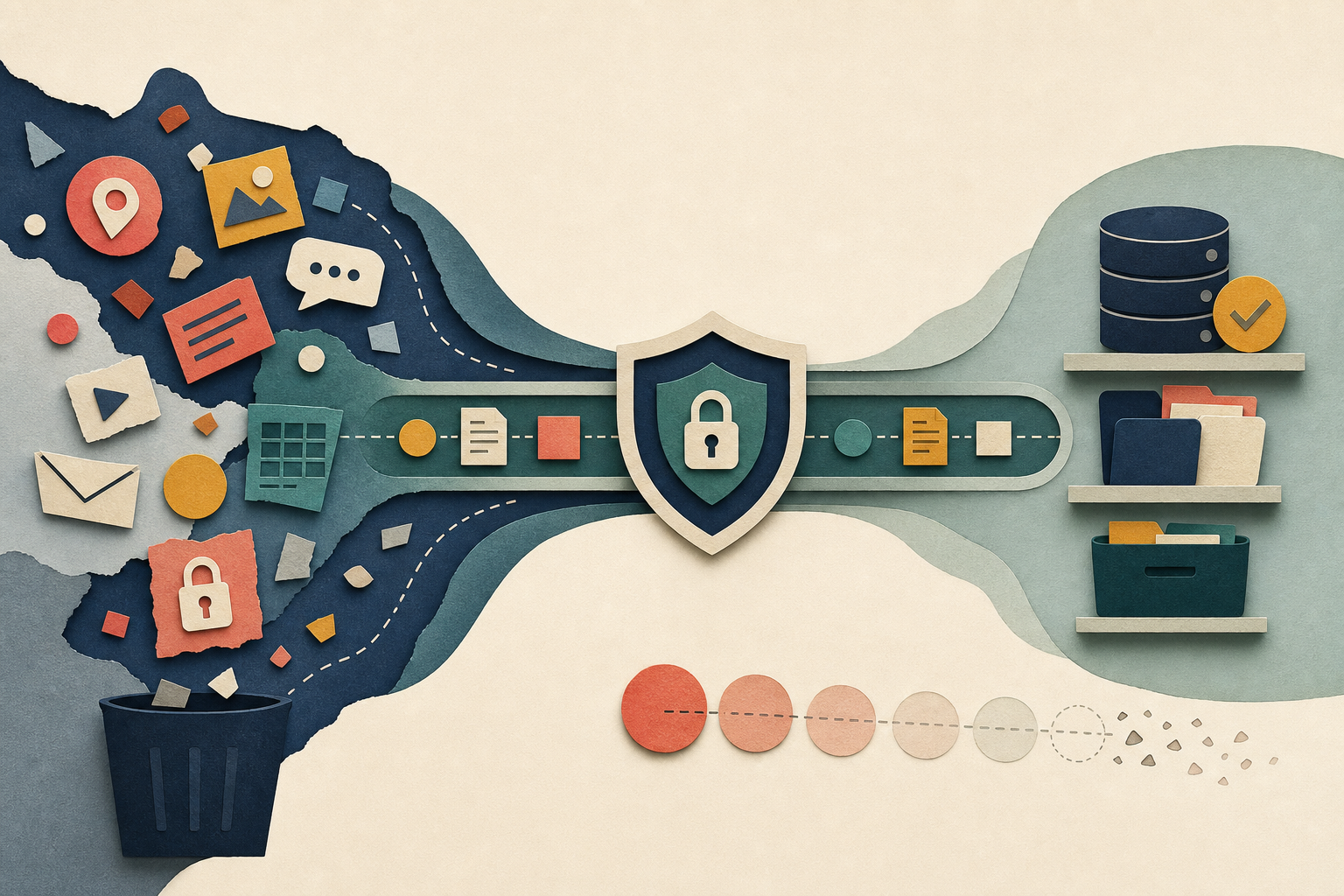
A business VPN changes the route that some or all network traffic follows. That makes privacy a design responsibility, not a footnote. WatchGuard Mobile VPN administrators should explain what enters the tunnel, which security records are created, why those records are needed, who may review them, and when they are deleted. Clear boundaries protect both the organization and the people using remote access.
Describe the routing model honestly
With a full tunnel, public and internal traffic may pass through the organization’s network controls. With split tunneling, only specified destinations use the VPN while other activity follows the local connection. The user notice should describe the chosen model in plain language and avoid implying anonymity or total protection.
Routing may differ by group, device, or location. Documentation should reflect the actual policy rather than a generic product description.
Collect logs for defined purposes
Connection time, account identifier, authentication result, gateway decision, assigned address, and session duration can support security and troubleshooting. More data is not automatically more useful. Before enabling detailed collection, state the question it answers and consider whether a less intrusive field would be sufficient.
Diagnostic logging may be appropriate temporarily during an incident. It should have an owner, a narrow scope, a secure destination, and a plan to return to the normal level.
Set retention before collection begins
Keeping records indefinitely increases exposure and rarely improves routine support. Match retention to operational, security, contractual, and legal needs. Automate deletion where possible and document exceptions such as a preserved incident record.
Backups and exported reports must follow the same lifecycle. Deleting a dashboard entry while retaining uncontrolled copies does not meet the intended limit.
Restrict access to monitoring data
VPN records can reveal working patterns, locations, and internal services. Give access only to roles that need it for support, security, audit, or a defined legal purpose. Administrative actions should be logged, and sensitive exports should use approved storage and transfer channels.
Routine performance management should use aggregated information when individual identity is unnecessary. Privacy improves when the team asks a service-level question instead of examining a person by default.
Make support evidence proportional
A useful support request normally needs the time and zone, visible error, client version, network type, and affected resource. It does not need a password, multi-factor code, private key, or a screenshot containing unrelated confidential work. Provide a redaction guide and a secure upload route for diagnostics.
After the case closes, remove local copies and temporary exports according to the retention policy. Support convenience should not create a shadow archive.
Account for home and shared spaces
Remote work blends business technology with personal environments. A VPN does not authorize an organization to inspect unrelated household devices, and it does not protect a business screen from people nearby. Policies should address screen locks, approved storage, printing, voice calls, and the use of shared computers without claiming that the tunnel solves every risk.
Employees should know when the client is active and how to end a session when work is complete, subject to the organization’s policy.
Plan for rights and local law
Privacy rules vary by jurisdiction and employment context. The responsible organization should identify the legal basis for processing, provide required notices, establish a request channel, and involve qualified counsel when monitoring could affect employee rights. A product setting alone cannot determine compliance.
Vendors that host identity, logging, or support systems should be evaluated for access, location, security, and deletion commitments.
Communicate during incidents
Security investigations may justify additional collection, but the decision should be authorized, documented, and limited to the incident. Preserve evidence carefully and avoid broad monitoring without a defined need. Once the exceptional purpose ends, review what must remain.
For general context about the tunnel and responsible client sourcing, visit our WatchGuard VPN download overview. It explains why an approved organizational channel is part of both security and privacy.
Review privacy as the service changes
A new identity provider, logging platform, routing rule, or support vendor can change the privacy picture. Include privacy review in the change process and periodically compare notices with actual configuration. A trustworthy WatchGuard Mobile VPN service tells people what it does and limits data to what the team can justify.